




This year's poster art for the Miami Film Festival is very retro. (Credit Alexandra Hallock, courtesy of Miami Film Festival)
You can tell a lot about a film festival by the movies its programmers choose for their gala premieres. Some shine a spotlight on local voices telling stories with a regional angle. Others adopt a more global perspective, making sure most corners of the planet are represented, not only in their lineup, but in those selections that open and close their event. There's an increasingly rare breed that is more filmmaker-driven, giving the latest efforts by renowned masters of the medium and bright emerging talents their most plum slots.
Then there are other fests that place particular emphasis on star power. The more buzzed about the stars and filmmakers are, the likelier we'll see their faces in the more aggressively marketed prime-time spots in your festival guide. As for the actual films, well, they might be good, but what does it matter when there's a cool Q&A, followed by a special award for the headliner? Now please come to our live podcast with a trendy A-lister, please and thank you.
It's safe to say the Miami Film Festival has gone through all these phases since its debut edition in 1984, sometimes mixing up their emphases and priorities from one year to the next. It is also safe to say that the festival, in its current incarnation led by executive director James Woolley and director of programming Lauren Cohen, has wholeheartedly embraced a celebrity-heavy approach to curating. And, three years since Woolley grabbed the reins, this feels less and less like the upgrade so many of us local cinephiles had been pining for.
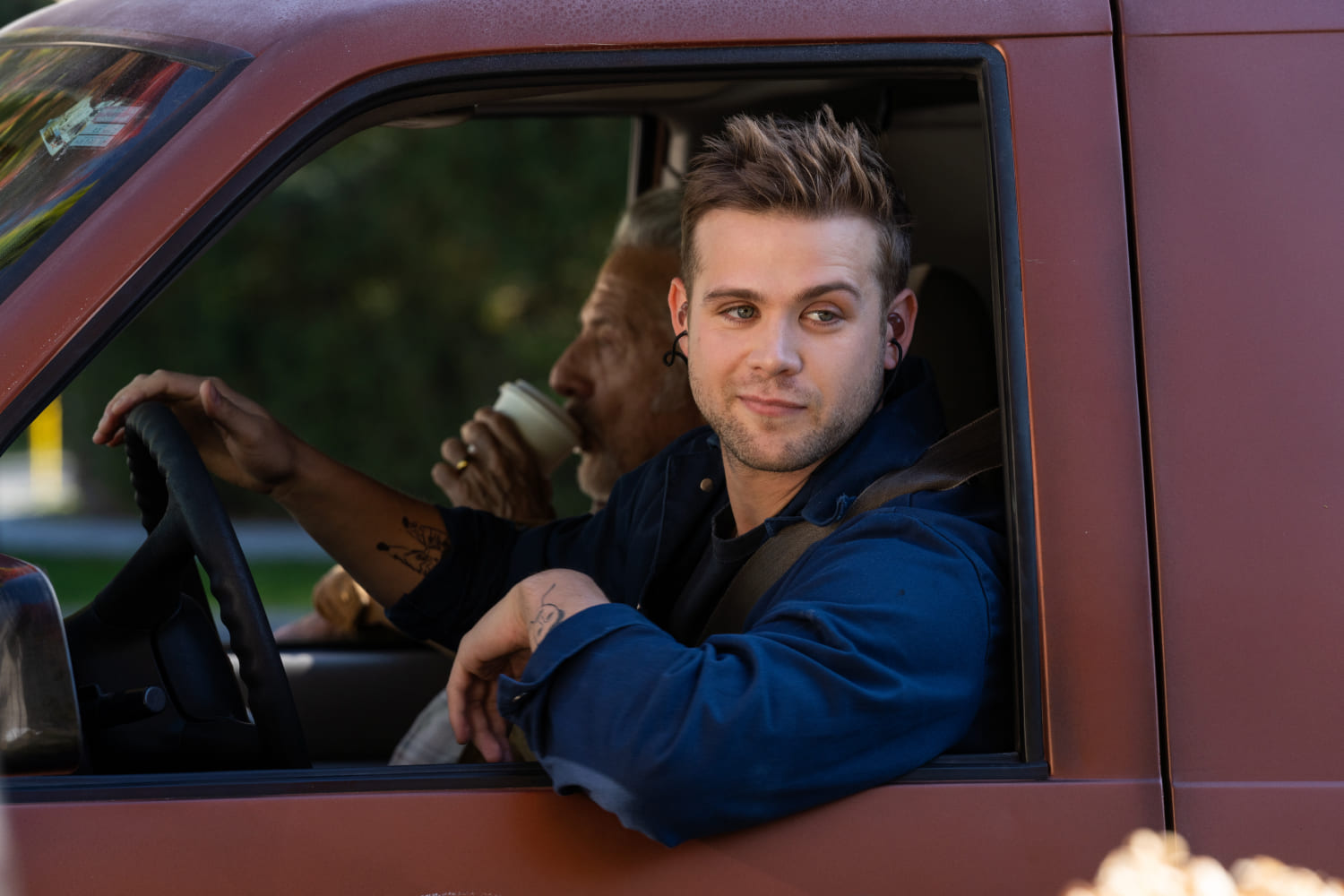
Dustin Hoffman as Harry Horowitz and Leo Woodall as Niki White in a scene from "Tuner." (Photo courtesy of Black Bear)
This is coming from someone who has seen the festival pass through many hands and experience many ups and downs, in recent years even including an award bestowed by us critics. I started going in 1996, about six months after I moved to Miami-Dade County, and have covered the event most years since I started writing about film for MAZ in 2012. Now, it's easy to fall in a nostalgia trap, where one's reflex is to view earlier editions, those shepherded by director and co-founder Nat Chediak's in particular, as better than what's come since his departure. It's good for a festival to change and evolve while paying tribute to the past. The last thing I would want is for this annual celebration of movies to become brittle and stale.
And yet, one can't help thinking something has been lost over the years: a certain twinkle that no Hollywood heavyweight can restore. Woolley and Cohen nevertheless deserve credit for at least trying to stamp out the deflating elitism that took over during Jaie Laplante's extended stint. In 2024, Woolley was quite vocal in placing the emphasis on fun, and even though that promise didn't quite pan out as I'd hoped, his efforts did not go unnoticed.
Which brings me back to opening night galas. They help set the tone for the lineup that screens after. Deciding what gets to play in this most coveted of slots matters. Even though a sizable chunk of MFF's opening night crowds are not there for the cinema. Even though many are predominantly there to see and be seen, just one negligible stop before hitting the glitzy after-party.
And what has been served up to kick off the festival in 2024 (the twee, insufferable action comedy “Thelma”), 2025 (the tepid, forgettable dramedy “Meet the Barbarians”) and now in 2026, in its 43rd edition, (the crime thriller “Tuner,” reviewed below) leaves a lot to be desired. Regardless of how much I dislike these films (“Barbarians” is aggressively mid, and it's downhill from there), there's a case to be made that all three merit a place in MFF's lineup. Just not opening night. Maybe it's time to come to grips with the reality that these programmers' tastes do not align with mine.
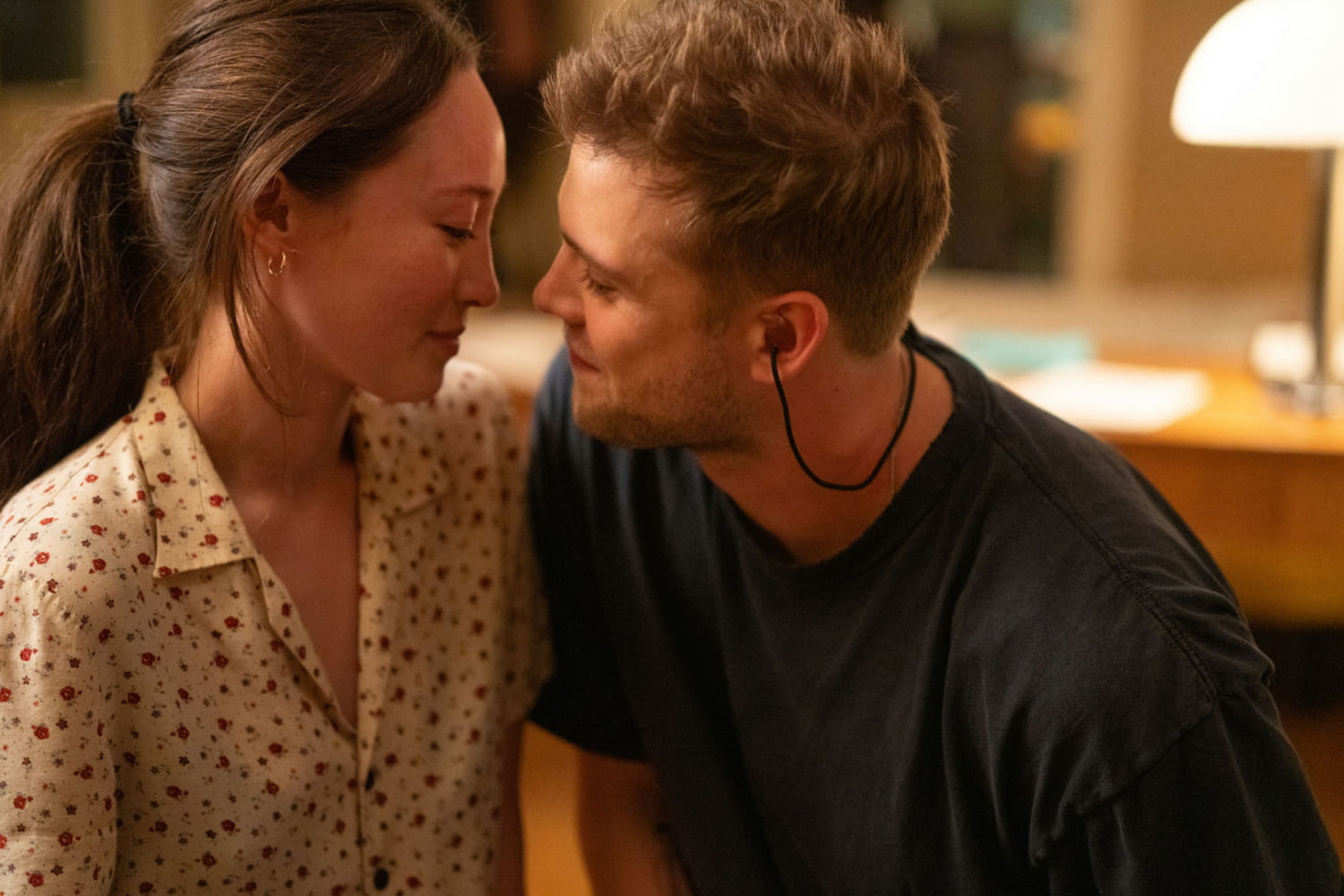
Havana Rose Liu as Ruthie and Leo Woodall as Niki White in a scene from "Tuner." (Photo courtesy of Black Bear)
Breaking the law and its repercussions appears to be in a lot of filmmakers' minds when looking at movies released this year. Back in February, I reviewed “How to Make a Killing” and “Crime 101” back to back, not thinking all that much of pairing up two movies thematically linked by their explorations of malfeasance.
It does appear, when picking four similarly themed titles from this year's beefy MFF lineup, crime and its consequences is becoming a more pronounced trend. A recurring compulsion, if you will. Does the following quartet of wrongdoing pass muster? Only one merits acquittal. As for the rest, they dart off into the night after having pilfered two hours of our time. It's jail, not bail. Let's begin with the aforementioned opening night selection.
“Tuner”: Its surfaces are slick and polished, its cast acutely tuned into the material, but Daniel Roher's New York City tale of dashed dreams and opportunities that come with strings attached hits all kinds of sour notes. The Black Bear release elicits annoyance from the get-go before sinking deeper and deeper in a pit of existential quicksand of its director's own making.
Even before the initial fade-in, Roher assaults viewers with banter, as veteran piano tuner Harry Horowitz (a thoroughly wasted Dustin Hoffman) lays on the insipid banter to his his protégé, Niki White (Leo Woodall). It's supposed to be endearing, this ostensibly lighthearted bickering. It didn't take long for me to fight a compulsion to jump off a tall building.
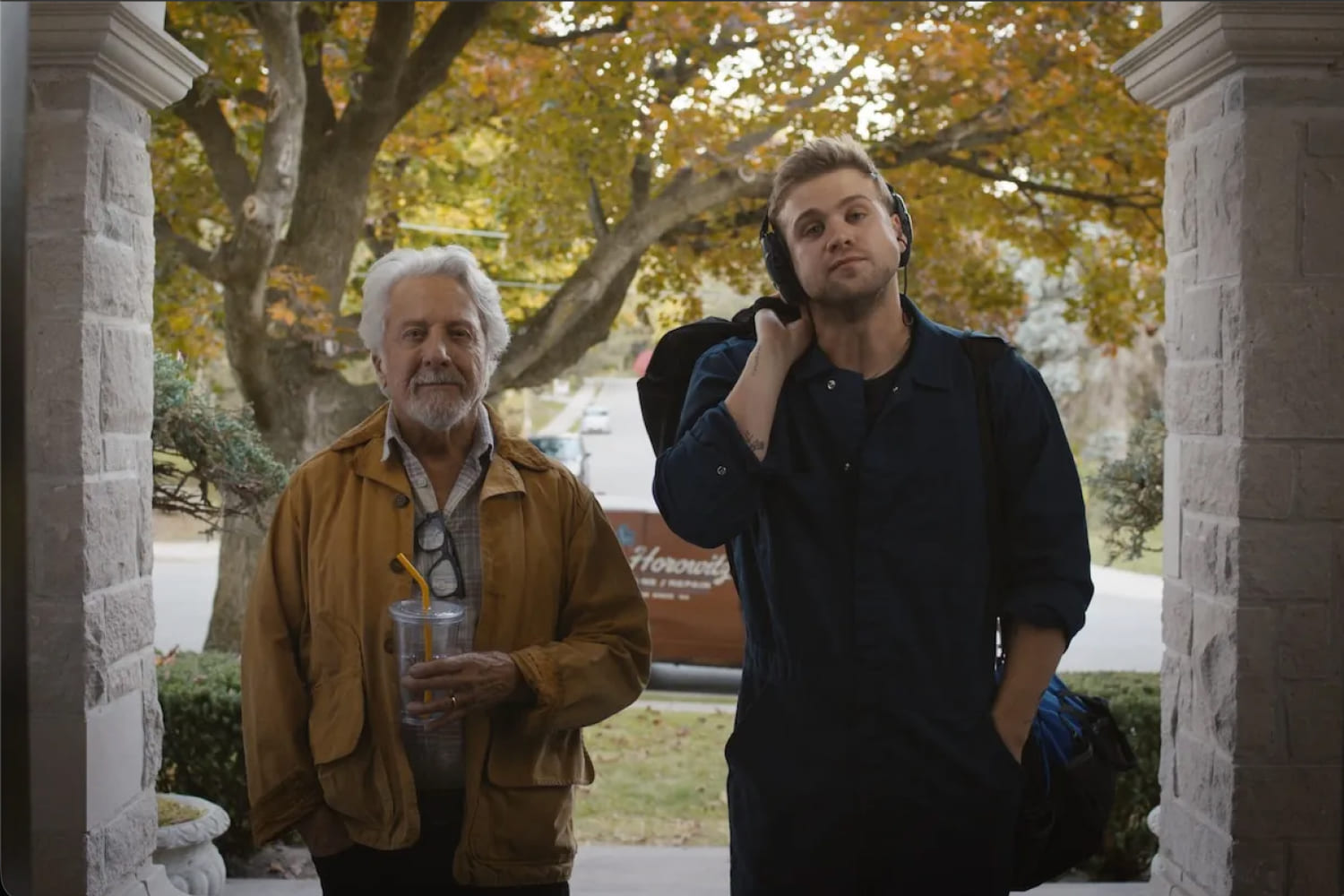
Dustin Hoffman as Harry Horowitz and Leo Woodall as Niki White in a scene from "Tuner." (Photo courtesy of Black Bear)
But “Tuner” is just warming up or, like a musician about to begin playing at a concert, tuning up. The red flags pop up with staccato precision. An imminent health crisis just around the corner for kind old Harry? Bet on it. A meet cute with Ruthie (Havana Rose Liu), a talented conservatory student who has no time for romance, only to become the love interest? Ding, ding, ding!
But the reddest of red flags comes when Niki, whose hypersensitive hearing makes him especially well-suited for sprucing up pianos, happens upon a work crew while working at a mansion at night, under circumstances that Roher and co-screenwriter Robert Ramsey twist themselves into a pretzel to bring about. Only this work crew, a trio of Israeli men, are actually casing the joint, looking to swipe family heirlooms and other valuables their owners won't miss right away. If only they had someone in their crew with an aptitude for cracking safes...
Enter Niki, who, in his own words is “allergic to loud noises” and just wants these noisy men to leave so he can return to the job at hand. That wad of cash the thieves' leader, Uri (“Gladiator II's” Lior Raz), hands him catches his attention. But what caught my attention was how these criminals amount to little more than one-dimensional, obnoxious stereotypes. Roher and Ramsey display as much curiosity about these Israeli men as they do about music in general, which is not much. They're throwaway characters, a dispiriting faux pas in any context but a particularly irresponsible one in our current political climate.
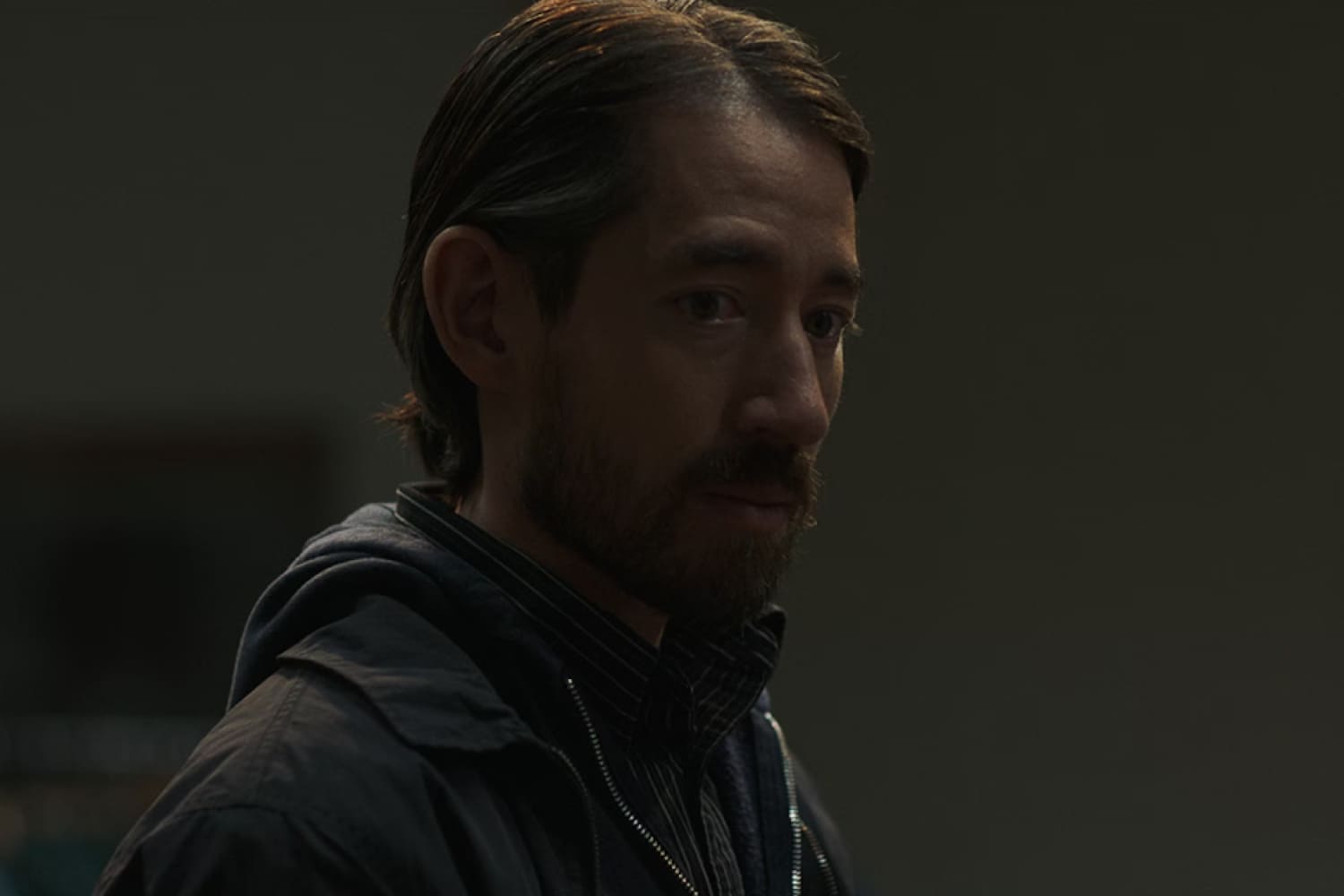
Kenny Riches as Denny in a scene from "Mouse." (Photo courtesy of Dualist Films)
Reducing these cartoonish underworld thugs to Middle Eastern Larry, Curly and Moe would derail any crime thriller, but “Tuner” isn't quite done screwing up. Once Niki, a disenchanted young man with hidden talents, a turbulent past and a chip on his shoulder chooses to capitalize on ill-gotten gains, the film piles on the coincidences and crime movie clichés. Niki's self-destructive spiral feels rote and preordained, and Woodall, so good on Season 2 of “The White Lotus” and as Renée Zellweger's boy toy in the fourth “Bridget Jones” movie, can only do so much before his character turns into a whiner before our eyes.
Walking away from a life of thievery is simply out of the question for Niki, as his life crumbles around him, but that doesn't mean you have to stick around, especially when Roher trots out Holocaust guilt as a plot device. The film builds toward a moment that strains for catharsis but instead made me want to throw my laptop against the wall. With its facile affluence porn and preposterous turn of events, “Tuner” is ultimately smothered by its overconfidence. It's coming from the other side of the lens.
“Mouse”: Writer-director-star Kenny Riches' fourth feature is a moody little thing, a shy wallflower of a character study, comprised of dimly lit interiors and lonely people who just want to connect and move up in the world. They're not above taking advantage of others, either.
The Dualist Films production, set in Salt Lake City circa 2007, harks back to an even earlier era of Amerindie cinema, the '90s, and unfortunately, it doesn't avoid the pitfalls of films from that era. Its minimalist, borderline Bressonian mise en scène is undercut at just about every turn by its overabundant voiceover narration. That's a shame, because this is a decisive step up from Riches' previous film, 2019's fountain-of-youth yarn “A Name Without a Place”.
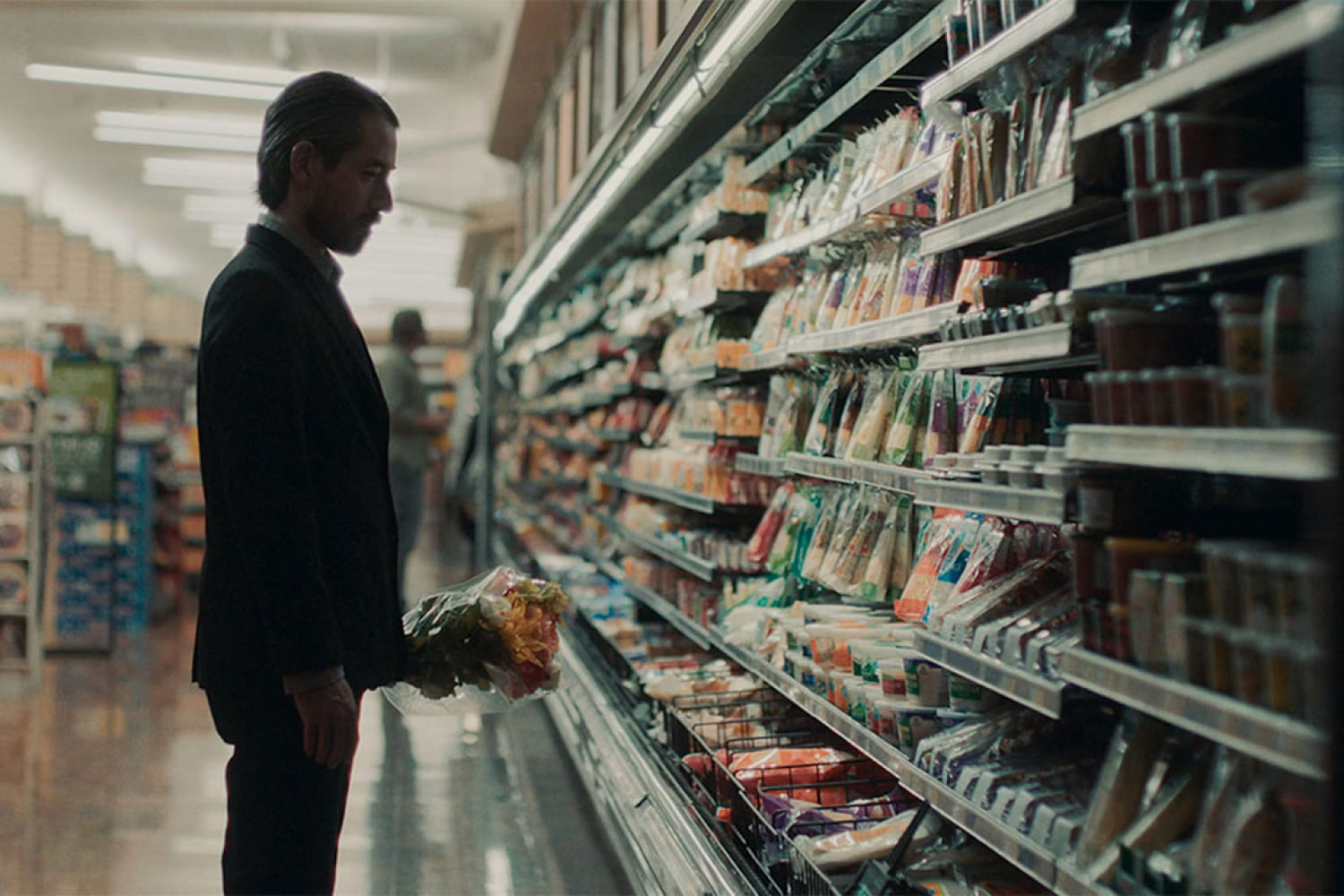
Kenny Riches as Denny in a scene from "Mouse." (Photo courtesy of Dualist Films)
“Mouse” tells the story of Denny (Riches), a supermarket cashier who sells the bikes he steals on the side, or is it the other way around? A crippling social awkwardness and overall disenchantment with his life lead this bi-racial man to begin a pen pal correspondence with Tess (Sarah Coffey) in the most lo-fi way imaginable: by answering a classified ad.
Unbeknownst to our protagonist, Tess is a con artist who runs the scam-by-mail racket with Maury (Kimball Farley), her jittery, high-strung boyfriend. The story kicks into gear when Denny starts pretending to be Charles (Eric McGraw), the rich man whose wallet he lifted from his nifty convertible. Tess, who's dealing with her own relationship woes, sees the illusion of wealth Denny describes in his letters as a possible way out of her own hardships.
What follows can best be summed up as “Emo Parasite.” Or at least it would be, if Riches could get Denny to shut the hell up. Alas, we're subjected to the characters' innermost thoughts, which would be somewhat engaging if they were predominantly musings on life. There is some laying out of Denny's worldview, with undeniable shades of Paul Schrader's “Taxi Driver” screenplay, but the narration mostly spells out what's unfolding onscreen. The running commentary is reductive: superfluous at best and obtrusive at worst.
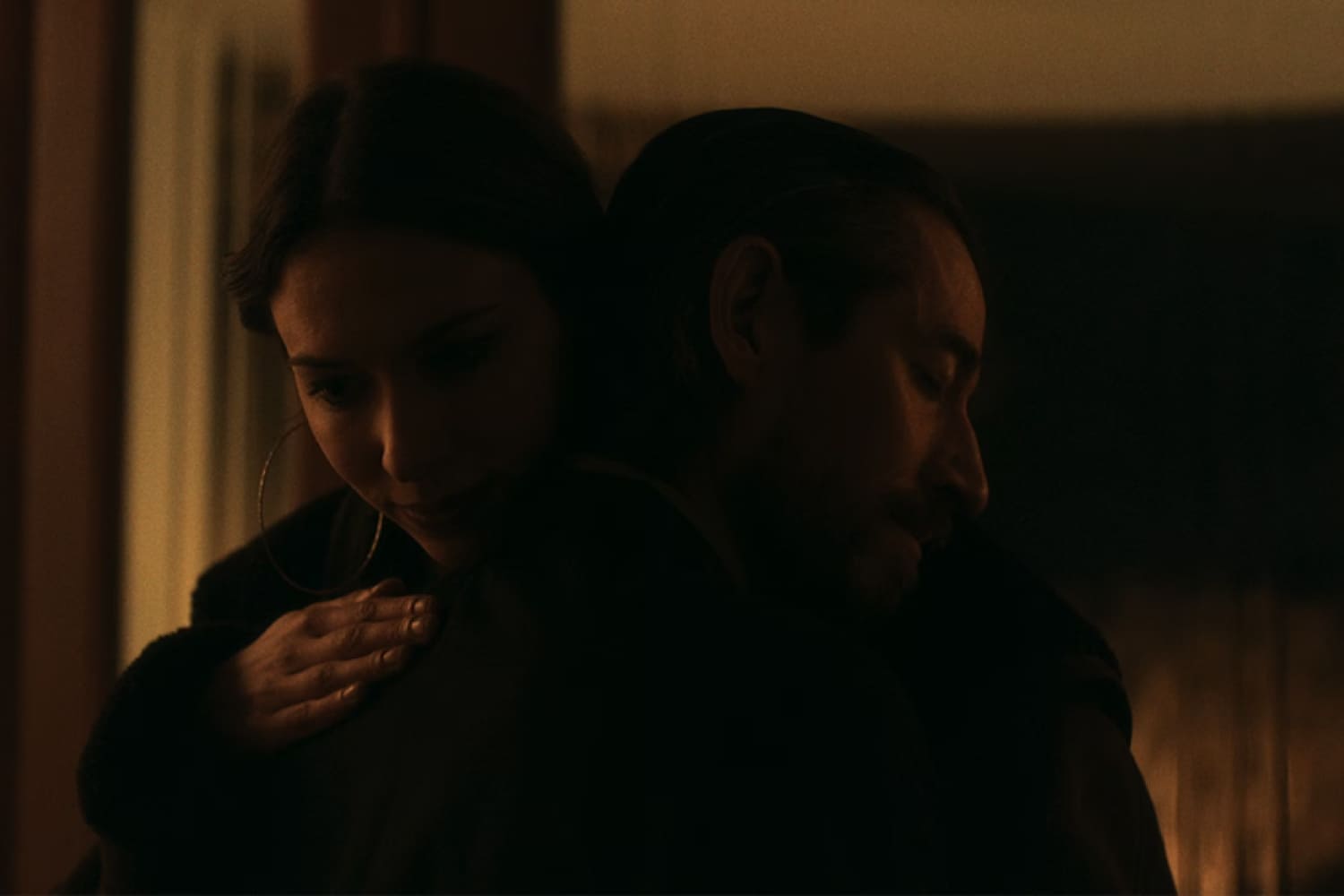
Sarah Coffey as Tess and Kenny Riches as Denny in a scene from "Mouse." (Photo courtesy of Dualist Films)
Much better are the scenes Denny shares with his Japanese mother Nobuko, played by Hiroko Riches, the filmmaker's own mother. Their interaction feels lived in and authentic in a way the more genre-driven story surrounding it does not. The growing bond between Denny and Tess, ostensibly the heart of the film, can't begin to measure up. It is also hard to buy Tess and Maury as a couple because they're seldom allowed to act like one. Instead, they behave like roommates who keep sniping at each other.
Like “Parasite,” “Mouse” takes a dark turn and resorts to violence in the home stretch, but unlike Bong Joon-ho's Oscar winner, it's a decision that doesn't feel organic. Rather, the bloodletting comes across as an unsavory obligation. It goes against the ruminative nature in Riches' film that suggests the movie that could have been: one that's permitted to color outside the lines more often.
“Forge”: There is so much going for this made-in-South-Florida thriller set in Miami's art world. For one, it focuses on a mutually supportive brother-sister relationship. It draws considerable mileage from showing off the Magic City's landscapes. Best of all, it's predominantly set within the Chinese American community, an underseen demographic in movies set in the Sunshine State.
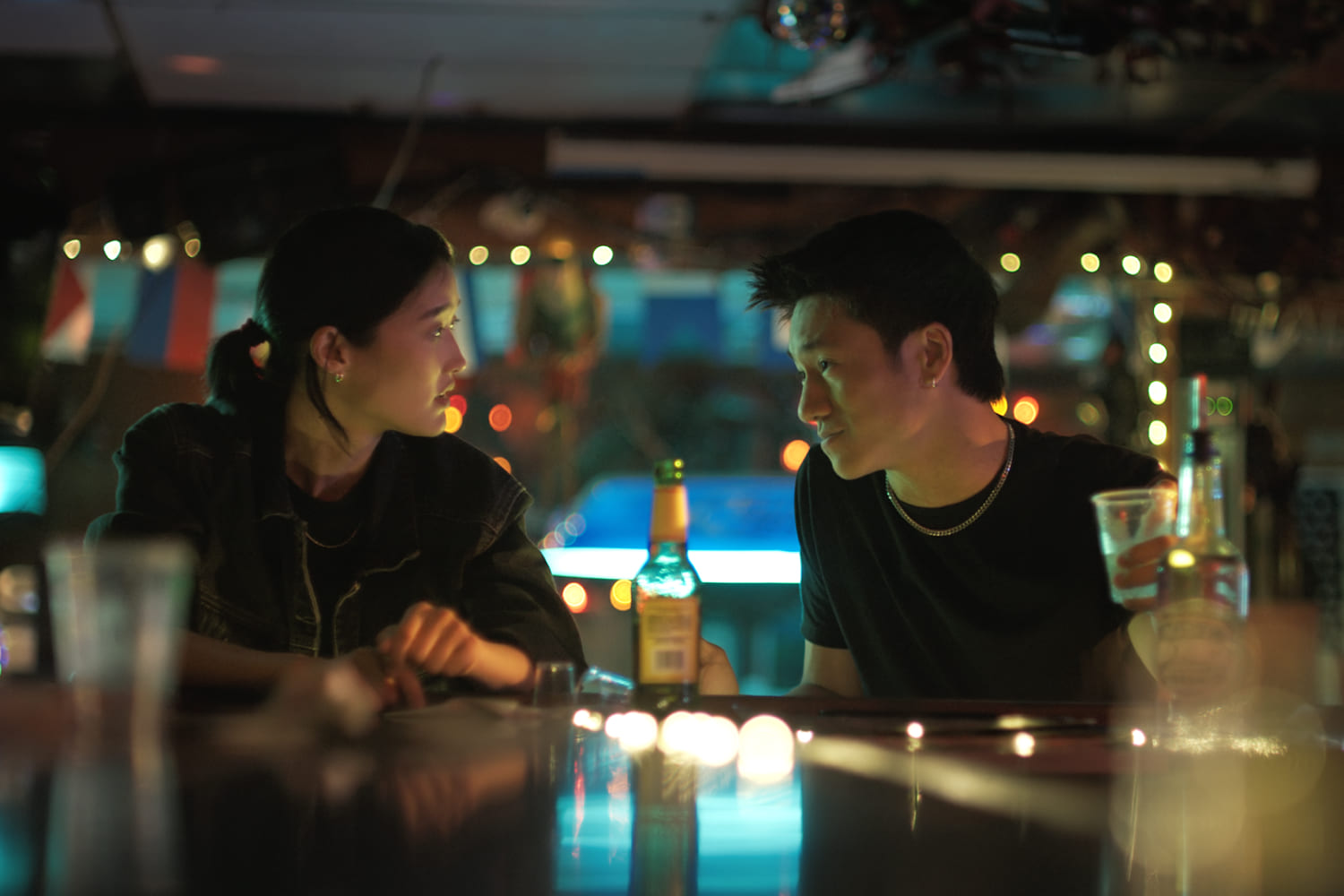
Andie Ju as Coco Zhang and Brandon Soo Hoo as Raymond Zhang in a scene from "Forge." (Photo courtesy of Utopia)
Writer-director Jing Ai Ng's feature debut is a calling card film where the storyteller's personal commitment to the material is palpable. That it takes some time for the rookie-effort drawbacks to become an issue is a testament to the filmmaker's drive, even if her dedication doesn't quite absolve her in the end.
We first meet Coco Zhang (Andie Ju) and her brother Raymond (Brandon Soo Hoo) in Boca Raton, when they're about to pull off a small-time art heist. Their aim is to convince seller Sandy Baker (“Grey's Anatomy's” T.R. Knight) that the Florida landscape Coco has painted is the decades-old work of a renowned master. Their secret: a “super varnish” that tricks people into believing these forgeries are the real deal.
An associate of Raymond alerts the siblings that Holden Beaumont (Edmund Donovan), troubled heir to his family's fortune, wants someone to, um, recreate his late father's famed art collection that, unbeknownst to the cognoscenti, was ruined by flooding from a hurricane. Even though she is overwhelmed by the magnitude of the undertaking, Coco takes on the daunting challenge, as dollar signs flash before her brother's eyes.
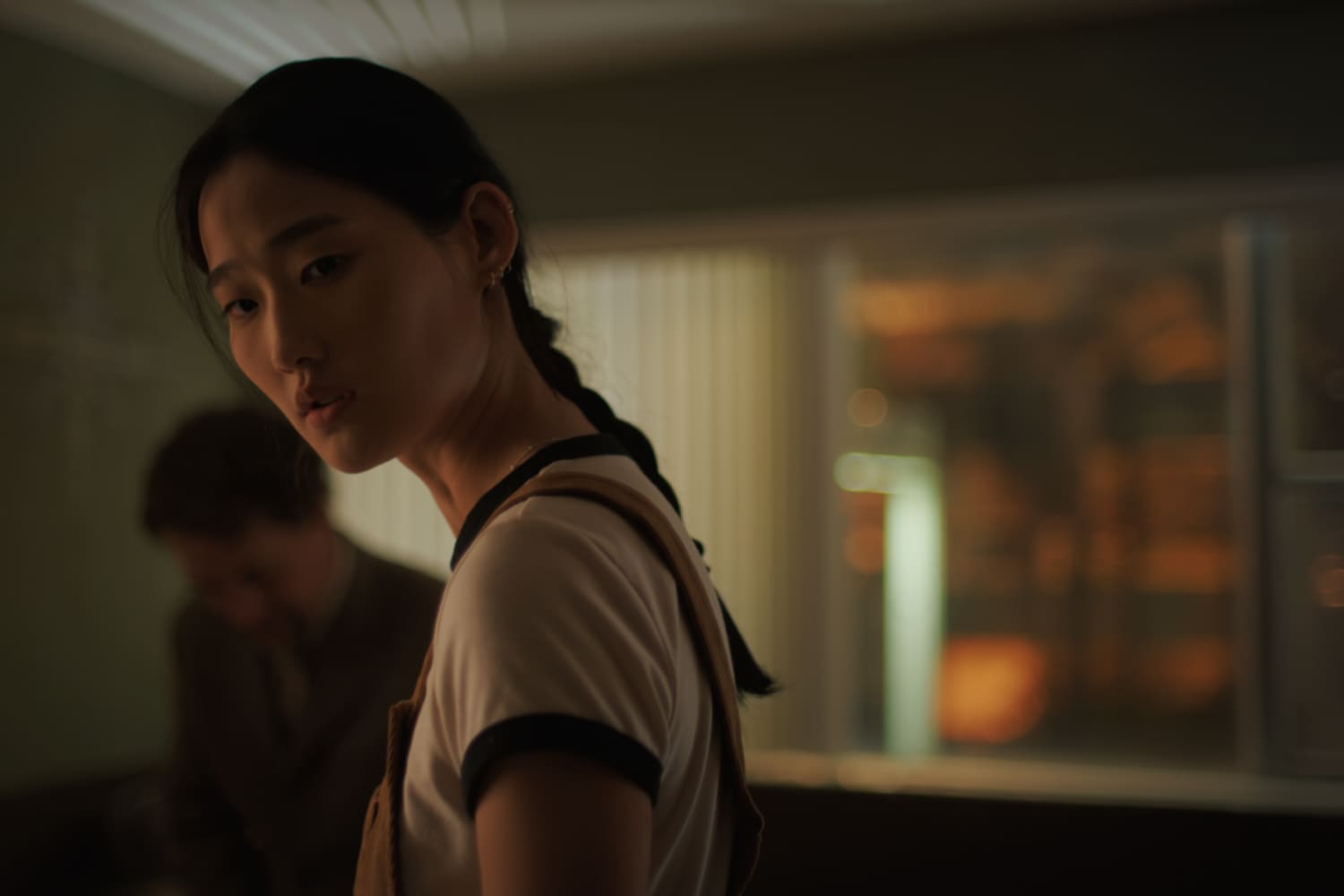
T.R. Knight as Sandy Baker and Andie Ju as Coco Zhang in a scene from "Forge." (Photo courtesy of Utopia)
Trouble looms on the horizon, though. Coco's uncanny fakes have caught the eye of the FBI's Emily Lee (Kelly Marie Tran), who works in the agency's Art Crime Team. The trail inevitably leads her to Miami and, in what requires some suspension of disbelief, to the Chinese restaurant run by Coco and Raymond's uncle.
Ng's narrative bears some resemblance to “Tuner's”: similar milieu, similar moral dilemma. The difference is that Ng appears to be genuinely interested in art, and that helps viewers become more invested. As long as “Forge” focuses on Coco's art project, the film works. Less interesting are Tran's scenes navigating the FBI's Miami Field Office. (The local agents, it must be said, do not come across as the most competent.)
But as his friendship with Holden opens doors for Raymond, one feels “Forge” beginning to run on autopilot. When she turns the screws on her protagonists, Ng's grip on the material goes from assured to wobbly, and the movie comes apart at the seams. The ending, in particular, feels abrupt and not well thought out, as if the filmmaker had painted herself into a corner. (A pretty majestic corner. The Everglades figure prominently.) Still, a near miss like this suggests Ng has more to give, and I'm curious to see where she goes from here.
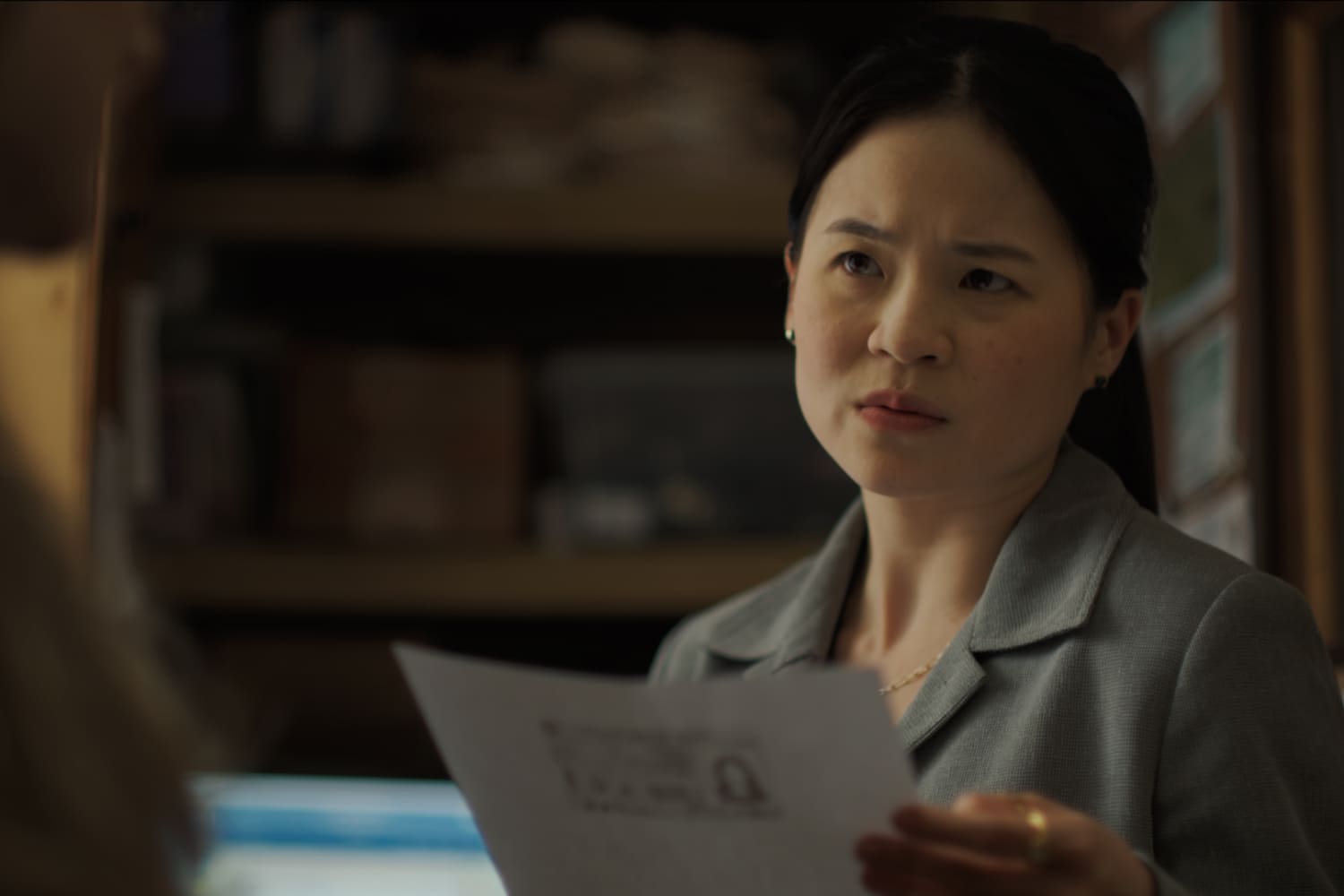
Kelly Marie Tran as Emily Lee in a scene from "Forge." (Photo courtesy of Utopia)
“Carolina Caroline”: Lovers-on-the-lam thrillers. They can be electrifying or laconic, intense or mellow, graphic or tame, but the best ones tend to share one trait: They wear their sincerity as a badge of honor. When these movies click, it's usually because the romance they depict is no mere story beat, but something that informs every frame. You feel it coursing through the films' veins.
Director Adam Carter Rehmeier's groovy addition to the subgenre is one of the good ones, quite simply because you feel the love. It's anchored by two solid, committed lead performances, as well as a couple of supporting turns that are not too shabby, including a swell cameo that I wouldn't dream of spoiling.
But there's more to this tale of a handsome grifter and the spirited Texas store clerk he takes under his wing than the love story at its center. In his previous two films, the bruising comedy “Dinner in America” and the buddy picture “Snack Shack,” Rehmeier takes a smart approach to material too often associated with dumb entertainment. His latest effort is no different: a B-movie, elevated.
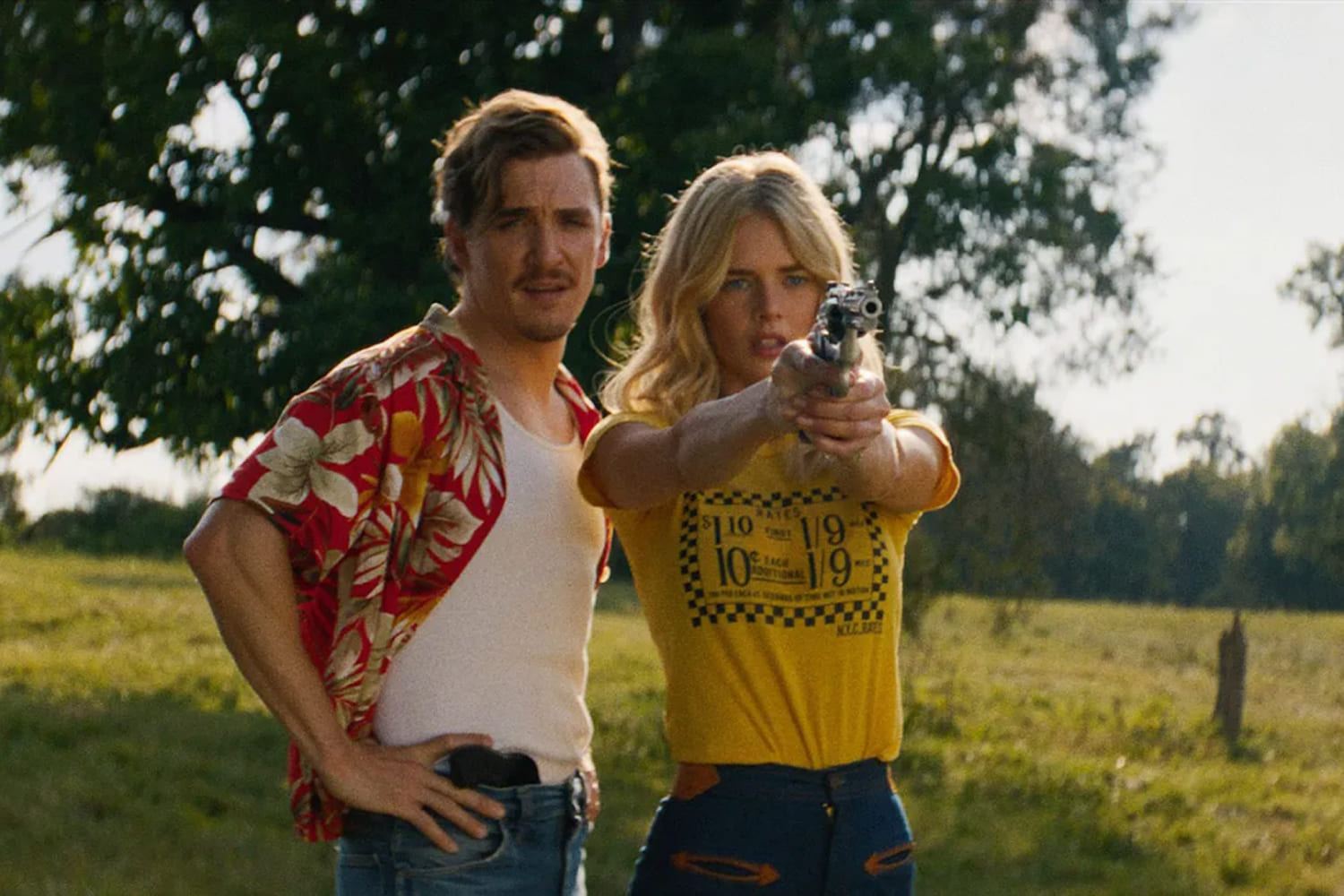
Kyle Gallner as Oliver and Samara Weaving as Caroline Daniels in a scene from "Carolina Caroline." (Photo courtesy of Magnolia Pictures)
The story kicks into gear when convenience store employee Caroline Daniels (Samara Weaving) catches a customer making off with a couple of extra bucks by using a deception tactic on her boss at the register. As anyone who's worked retail can tell you, crooks working a short con will try to get you to unwittingly give out more change by appearing to change their mind about how they want their change handed out to them.
Caroline can see right through his act. The customer, Oliver (Kyle Gallner, at his best when working with Rehmeier), should be miffed for being made. Instead, he is smitten. The lone-wolf drifter and the curious local with acute wanderlust end up on a date, but not before an education in crime begins. What's special about these early scenes is Oliver's pragmatism about his chosen line of work. This is where Tom Dean's screenplay really shines. It deconstructs the genre while shedding light into what makes his characters tick. It is also disarmingly romantic.
The crime spree across the South that follows, which sees a hungry Caroline donning a wig to stick up banks, with Oliver acting as lookout, has triggered comparisons to “Bonnie and Clyde,” but “Carolina Caroline,” tender and wise, is much closer in spirit to “They Live By Night,” “Rebel Without a Cause” director Nicholas Ray's first feature. There's also a tip of the hat to Tony Scott's “True Romance.”
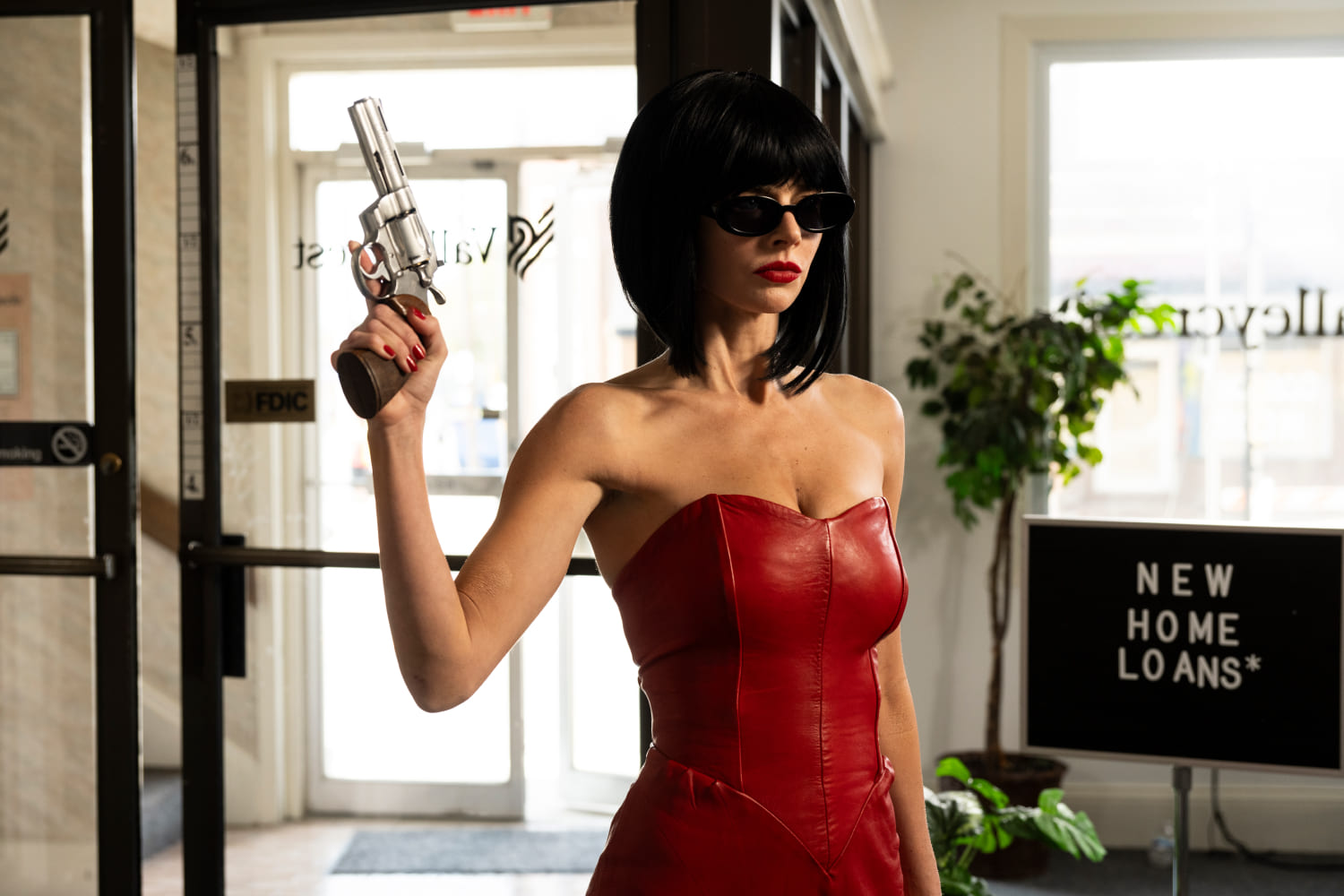
Samara Weaving as Caroline Daniels in a scene from "Carolina Caroline." (Photo courtesy of Magnolia Pictures)
The film's first hour is so front-loaded, with its intelligent exploration of what makes people do crime, that its second half, when it indulges in some of the genre's trappings, inevitably feels more conventional. But, in keeping with Rehmeier's previous work, it plays like that catchy pop song that you keep gravitating to because you like the melody. Here's hoping this sweet treat brings this gifted filmmaker, who never fails to show you a good time, one step closer to becoming a household name.
“Tuner” screens Thursday, April 9 at 7:30 p.m. at the Olympia Theater. “Carolina Caroline” screens Saturday, April 11, at 2:45 p.m. at the Silverspot Cinema in downtown Miami. “Mouse” screens Sunday, April 12 at 3 p.m. at the Bill Cosford Cinema in Coral Gables. “Forge” screens Saturday, April 18, at noon, also at the Bill Cosford Cinema. The 43rd Miami Film Festival, presented by Miami Dade College, wraps up Sunday, April 19. For screening information and tickets, go to miamifilmfestival.com.