



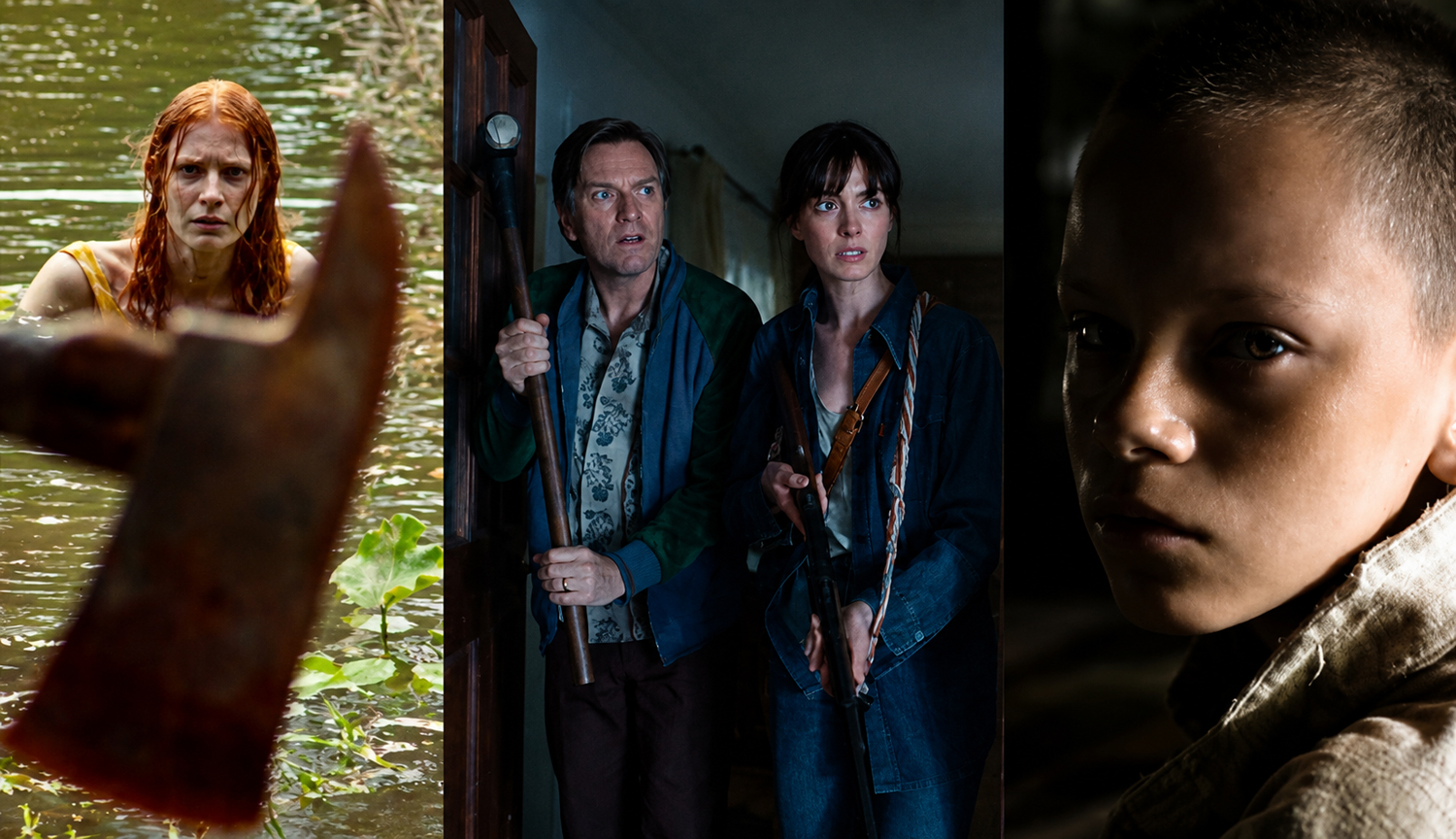
(From left): Amariah Dionne as Jess in "Gator Face," Ewan McGregor as Greg Platt and Anne Hathaway as Denise Platt in "The End of Oak Street," and Dawian van der Westhuizen as Lukas in "Hen."
It's a tradition that many movie buffs in South Florida look forward to every August, and every year, one marvels at how smoothly the event, shepherded by co-executive directors Igor Shteyrenberg and Marc Ferman, is run. One is heartened by the good vibes engendered by the regular attendees and the visiting filmmakers at this annual event billed as the largest genre film festival in the Southeast.
One also laments that the quality of the films is not more consistent. Like the summer season that's on its way out, Popcorn Frights' 2026 edition was one of peaks and valleys, with a few nifty surprises in its program.

Actors from Infinite Abyss Productions perform "Mean Green Mother from Outerspace" as part of Popcorn Frights' shadowcast of "Little Shop of Horrors."
Up front and center this year was the more prominent inclusion of older films, in a couple of cases paired with a member of the cast in attendance. A double feature of “The Shawshank Redemption” and “Bill & Ted's Bogus Journey,” for example, unspooled with actor William Sadler in attendance. A 40th anniversary screening of David Cronenberg's “Scanners,” as well as Paul Verhoeven's “Total Recall,” were shown with the inimitable Michael Ironside, who reportedly mingled with audience members and accurately called this community a tribe. The veteran character actor was also featured in the new cat-and-mouse chiller “Marrow,” reviewed below.
My ears have caught some grumblings that the event ought to have focused more on recent movies, but I don't agree. A sensible mix of old and new is a sign of growth for this festival that's entering adolescence. Where else could musical junkies catch a euphoric shadowcast screening of the director's cut of “Little Shop of Horrors”? To anyone who has only seen the version of Frank Oz's gem with its test-screening-prodded happy ending, well, you haven't lived until you've seen the delicious disaster-movie conclusion that was nixed because audiences in 1986 simply weren't ready to look into the abyss. Kudos to the actors from Infinite Abyss Productions for their groovy, unobtrusive pantomime, rendering an already exhilarating moviegoing experience even more satisfying.
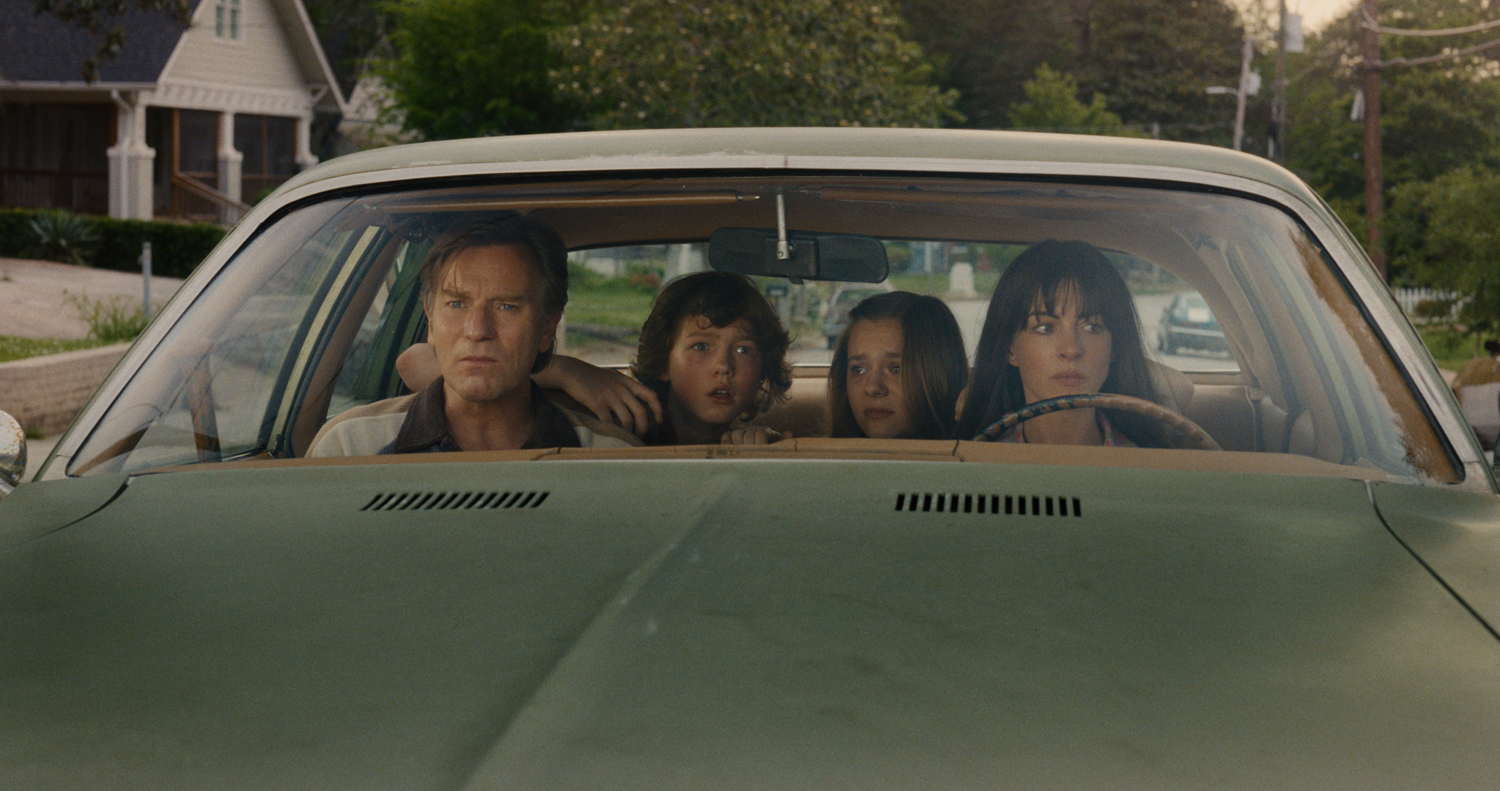
Ewan McGregor as Greg Platt, Christian Convery as Brian Platt, Maisy Stella as Audrey Platt and Anne Hathaway as Denise Platt in a scene from "The End of Oak Street." (Photo courtesy of Warner Bros. Pictures)
But this year's Popcorn Frights also featured an extensive selection of premieres. I had the chance to catch several of these, and a trait they share is how they divide their characters into predators and prey, even when it's not always clear who is the hunter and who is the hunted. They include a pair of forays into folk horror that couldn't be more different from each other. The festival also hosted a special sneak preview presentation of one of this summer's more highly anticipated studio offerings. Let's begin there, with this très retro affair.
“The End of Oak Street”: It has a premise that feels like something out of “The Twilight Zone,” a setting filled with signifiers that tip their hat to early '80s Steven Spielberg. But if you claw underneath these references, this eerie, evocative and darkly humorous sci-fi adventure, produced by J.J. Abrams' company Bad Robot, is very much the brainchild of its eclectic writer-director, David Robert Mitchell.
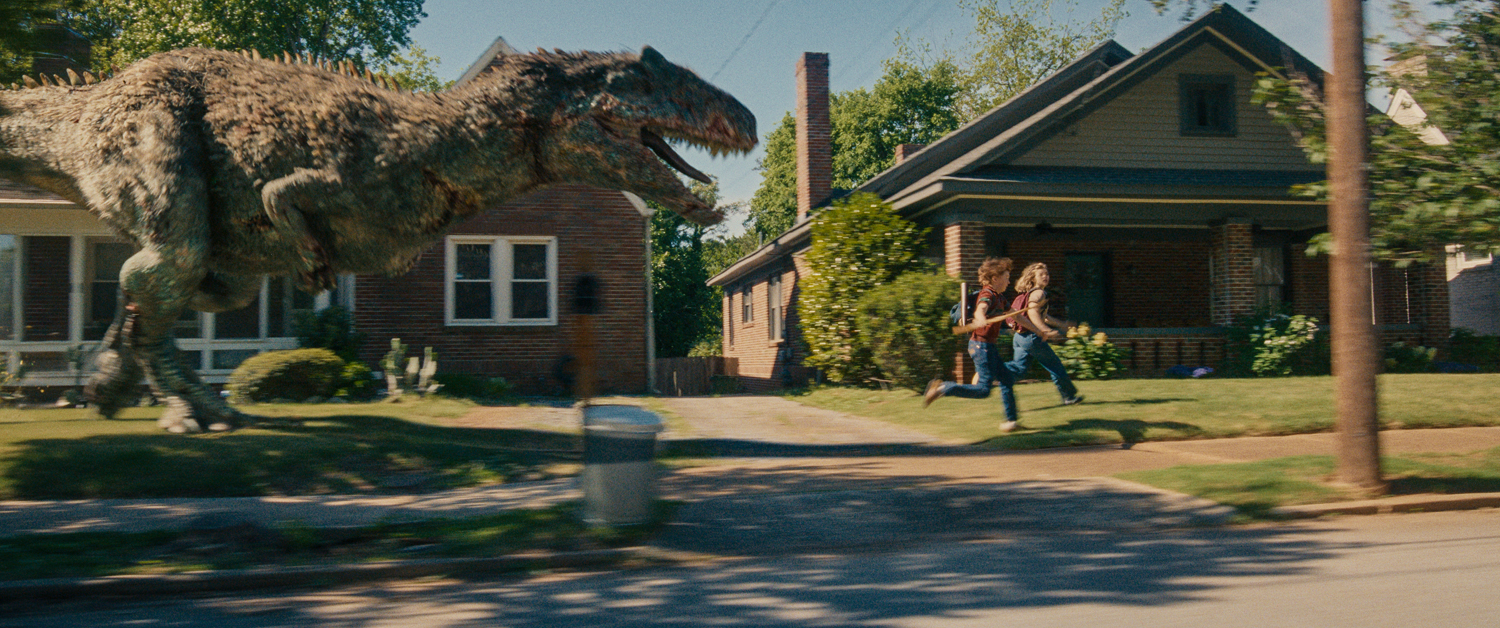
A hungry T. rex, Christian Convery as Brian Platt and Maisy Stella as Audrey Platt in a scene from "The End of Oak Street." (Photo courtesy of Warner Bros. Pictures)
In other words, it's weird and unsettling in all kinds of interesting ways.
The year is not stated at the beginning, but we are clearly in the suburbs of Ronald Reagan's America. The '70s are over, but one still feels their presence lingering on the edges of the screen. It's late summer, and the Platt family are trying to enjoy themselves, or at least pretending to, since this nuclear unit is coming apart at the seams. Mitchell's aggressively sunny depiction of suburban harmony just makes the fissures more conspicuous, despite the picture-perfect façade.
Denise Platt (the ubiquitous Anne Hathaway) is seriously thinking of pulling the plug on her floundering marriage to Greg (Ewan McGregor), who keeps stepping away from quality time with their kids, Brian (Christian Convery) and Audrey (Maisy Stella), to deliver pizzas in his red hatchback. Unbeknownst to the rest of the clan, Denise is typing up a novel in the basement of their home, one fueled by her current existential angst, immediately bringing Judy Blume to mind.
Viewers antsy to get the mayhem underway don't have to wait long. At 99 minutes, “The End of Oak Street” is a lean thrill ride. But what stands out from the early scenes is that Mitchell very much intends to etch a portrait of a dysfunctional family in addition to laying out the groundwork, with a semiotics scholar's acumen, for the chaos that comes next. In particular, the “It Follows” director zeroes in on gender roles with a fascination for social mores reminiscent of Todd Haynes' manicured vision of 1950s New England in “Far from Heaven.”
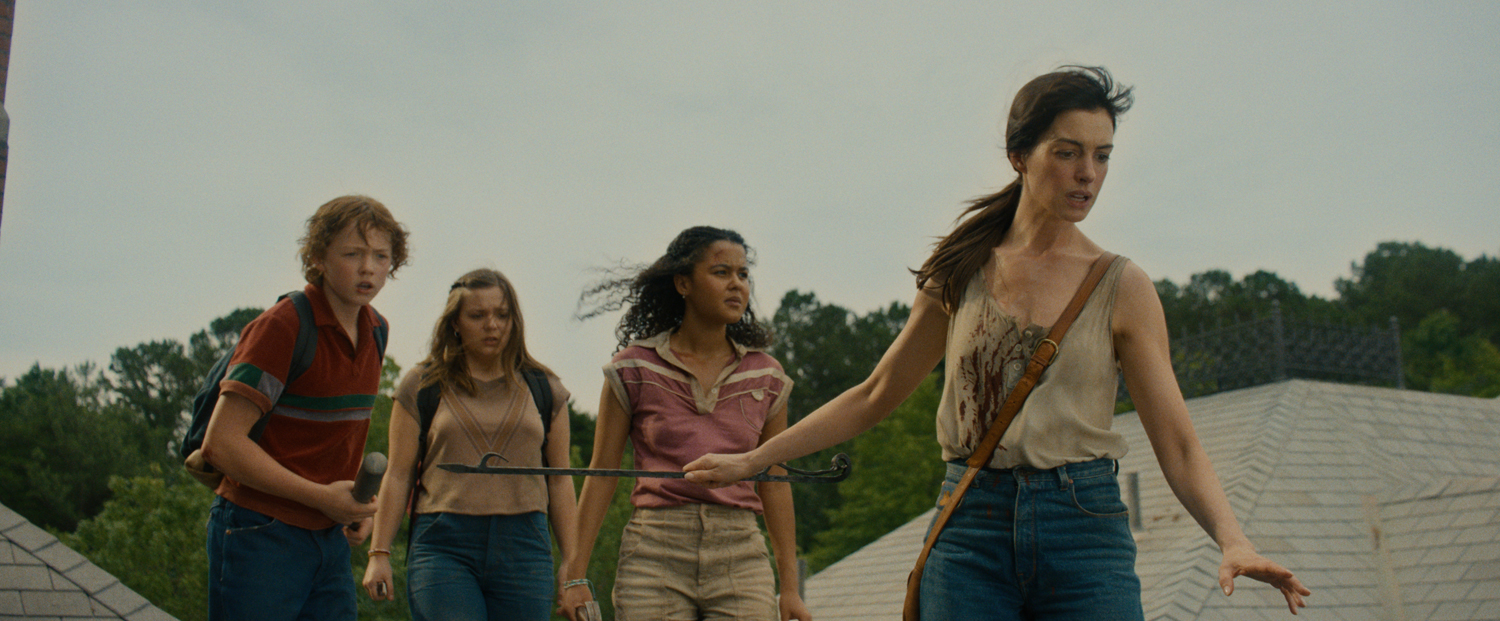
Christian Convery as Brian Platt, Maisy Stella as Audrey Platt, Jordan Alexa Davis as Jeannette Christiansen and Anne Hathaway as Denise Platt in a scene from "The End of Oak Street." (Photo courtesy of Warner Bros. Pictures)
One night, Brian notices a bright light during what appears to be inclement weather. When the Platts wake up, however, they can tell something is off. And they soon discover a whole chunk of their neighborhood has mysteriously moved, snatched from the early '80s and deposited into a prehistoric realm in which Mitchell reportedly mixed creatures from various eras. The creatures make their appearance gradually, dark figures on the corners of the frame at first. Then the fight for survival gets underway.
These dinos are deadly, as the Platts and their neighbors find out with Darwinian ruthlessness. But they're also bored, fickle, just as likely to pass you over if there's a better lunch option closer to them. Mitchell uses these creatures' unpredictable whims to keep viewers on their toes. The narrative is taut, the pacing is steady but not frenetic, and the tone is a masterful devil's dance between cruelty and compassion.
The movie actually hews closer to Tobe Hooper than Uncle Steven, more “Poltergeist” than “E.T.,” with a depiction of relationship doldrums that feels removed from either of those filmmakers. There are also shades of Robert Zemeckis and, in one memorable sequence involving a slithering albino critter, Peter Jackson as well.
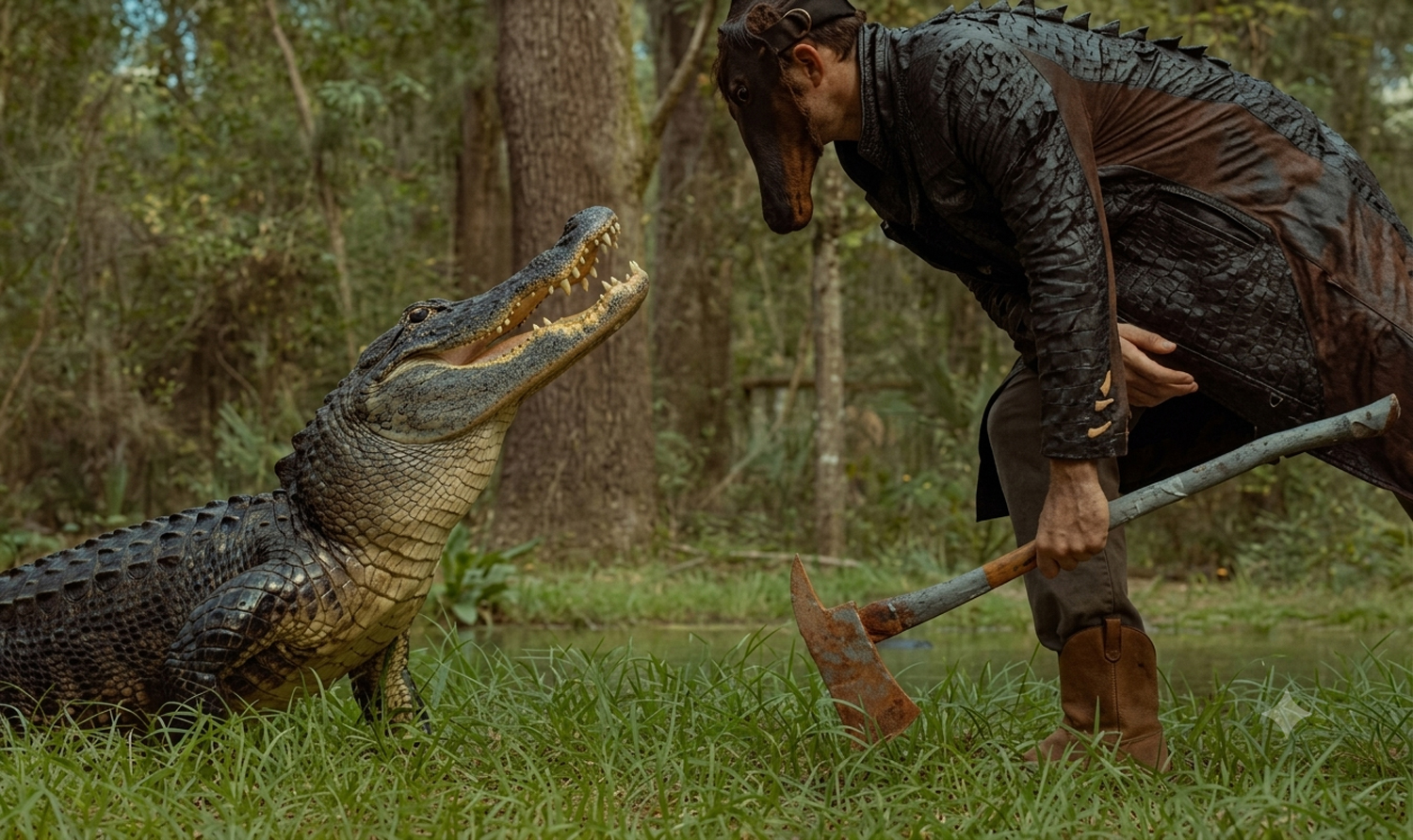
Nikolas Kolasinski as Gator Face in a scene from "Gator Face." (Photo courtesy of Epic Pictures)
“The End of Oak Street” will be rough going for those unable to align with Mitchell's morbidly irreverent sensibility. In terms of story developments, there's a doozy about two-thirds of the way. What goes down is a bold move, all too rare in a mainstream studio release, and it makes you wonder whether Mitchell will be able to come up with a believable solution to the Platts' ballooning dilemma, let alone if they will be able to figure out why they were zapped away from their own time.
What is unmistakable is that “The End of Oak Street” is a happy anomaly, a rebuke of our dispiriting, filmmaking-by-committee reality. It plays like a movie that came out exactly how its director intended, despite an ending that might come across as a compromise to some viewers (not to this critic).
Which makes it a shame that this smart, queer-inclusive popcorn movie was unable to take much of a bite out of the box office. This is the rare genre venture that succeeds as both a straightforward adventure and a deconstruction of a “blockbuster” with quotations firmly in place. That alone is enough reason to celebrate.
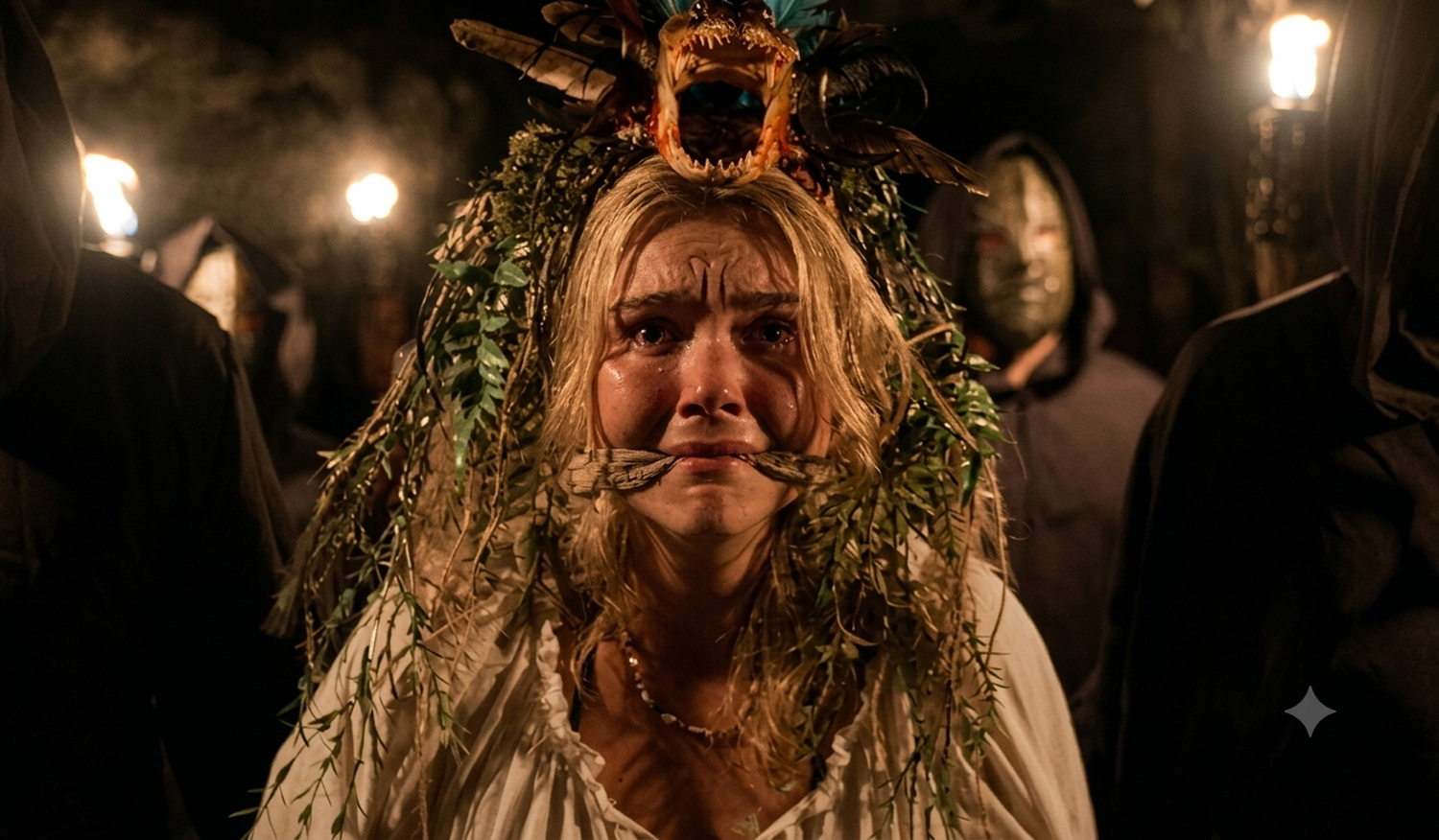
Tabitha Brownstone as Claire in a scene from "Gator Face." (Photo courtesy of Epic Pictures)
“Gator Face”: If you're looking for mayhem with more gore and backwoods sleaze, then strap on to this made-in-Florida splatterfest that hurtles forward with lo-fi verve that leaves very little to the imagination.
The story kicks off when three out-of-town friends decide to catch some rays before they head home. An ill-advised stop at a run-down motel brings Jess (Amariah Dionne) and her two besties face to face with the titular boogeyman (statuesque Nikolas Kolasinski) and a gator that takes much delight in dismembering bodies. You are warned: This one is not for the squeamish.
Jess is able to escape, but when she runs into four local friends out on their own little getaway, they all end up in the cross-hairs of the masked killer. Tense chases and narrow escapes follow. As the attractive bodies pile up.
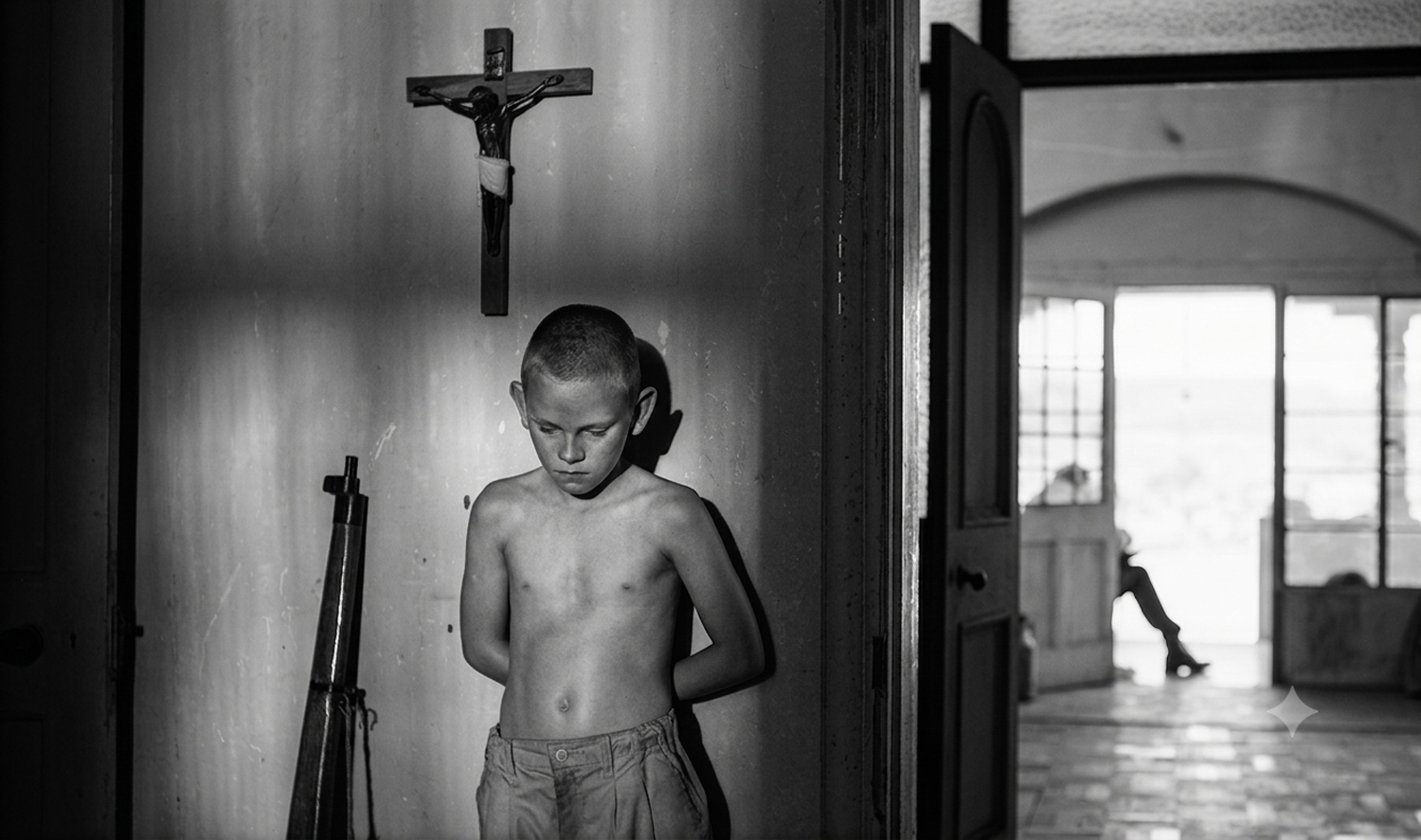
Dawian van der Westhuizen as Lukas in a scene from "Hen." (Photo courtesy of Nagvlug Films)
Writer-director Padraig Reynolds is not out to reinvent the wheel. “Gator Face” is basic to a fault. It also benefits from its atmospheric rural Florida setting, its strikingly shot widescreen vistas enveloping you into its immersive hunting ground. Also, its scaly denizens are the real deal, filmed at a North Florida rescue sanctuary, separately from their human co-stars, and brought together through some arrestingly jagged editing.
The young survivors eventually make their way to a church led by the charismatic Father Eli (Scot Scurlock), and these kids, bless them, don't even notice the reptilian icons on the walls where crosses and other Christian artifacts ought to be. Yes, my lambs, you have stumbled upon a cult.
Scurlock is the MVP out of an uneven cast, with Dionne and co-star Iain Smith holding their own against the evil padre's scenery chewing. Dionne and Smith are good enough to bring to mind how Matthew McConaughey and Renée Zellweger got their start in 1995's “Texas Chainsaw Massacre: The Next Generation.”
The '70s Tobe Hooper vibes are strong throughout “Gator Face” and, at 80 minutes, it wields its brevity like a weapon more fearsome than any of the instruments of destruction depicted throughout the film, even those sharp teeth. This is dumb grindhouse fun. It delivers the bloody goods, then crawls back into the swamp.
“Hen”: The threat in this slice of South African arthouse dread appears innocent enough: a feral child found in the middle of nowhere. But warning signs go unheeded, making a suspension of disbelief much more difficult than it has any right to be.
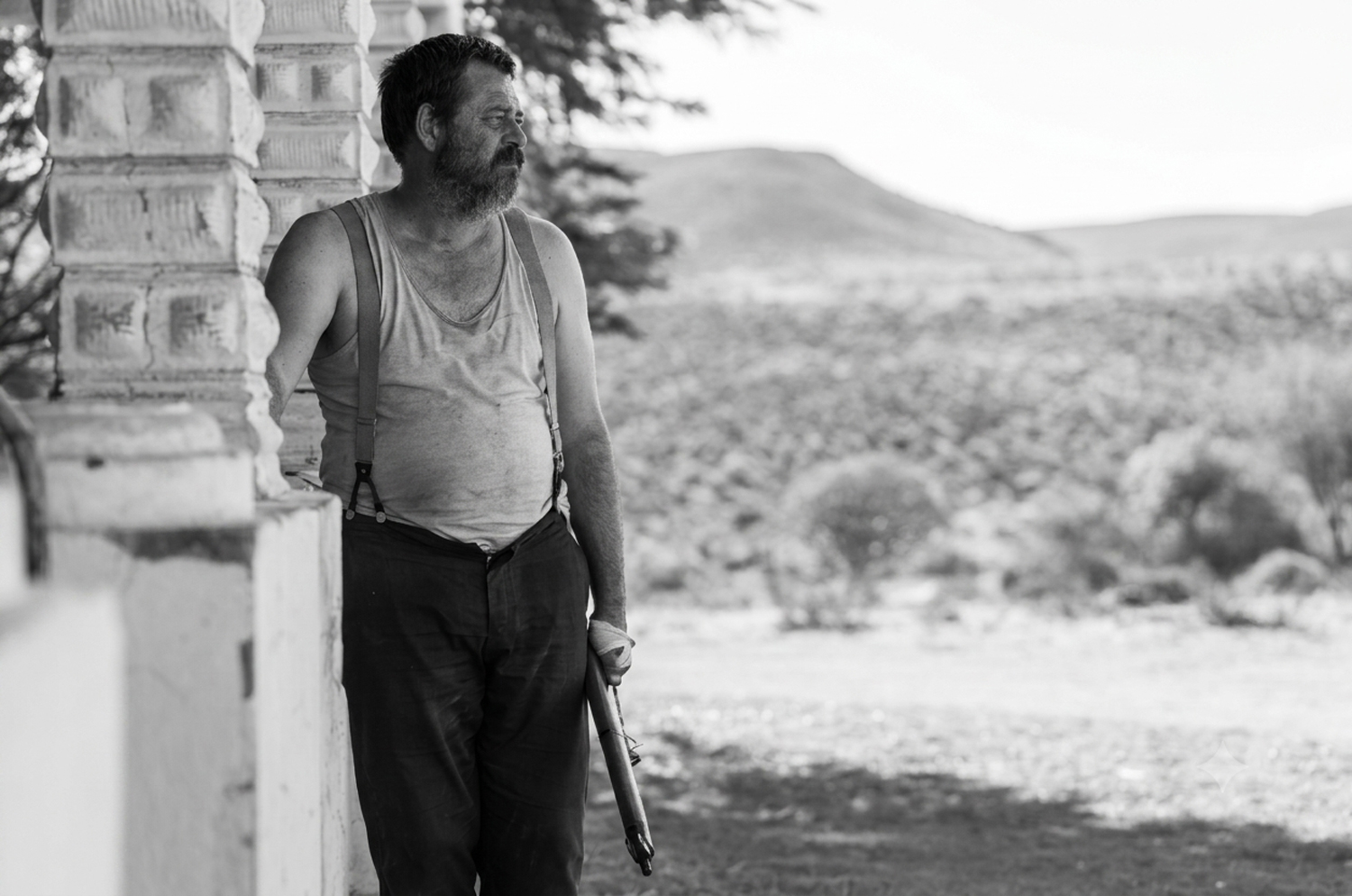
Stian Bam as Dawid in a scene from "Hen." (Photo courtesy of Nagvlug Films)
Writer-director Nico Scheepers' slow burn gets going, sort of, when Dawid (Stian Bam), a farmer, happens upon a massacre. The grisly killings of what appears to be a family of five stands out against the barren, desolate landscape. What sticks out even more starkly is the locked trunk with the crucifix on it and the signs warning passersby to keep the darn thing closed.
So Dawid does the sensible thing and moves on his taciturn way, right? Nope. He can tell there's a person inside, so he ignores all the red flags, or gray flags in this case, since “Hen” was shot in black and white, and undoes the straps. Out comes the wild boy (Dawian van der Westhuizen), hissing and snarling, with all the warmth of a rabid stray that's been kicked around far too long.
Dawid takes the hostile tyke home, where his wife Hanna (Amalia Uys), as religiously devout as her husband, warms up to the standoffish house guest. She even gives him a name: Lukas.

Jessia Dawn Willis as Jamie Foster in a scene from "Marrow." (Photo courtesy of Scatena & Rosner Films)
What follows ought to be absorbing and evocative, but the sluggish pace fails to rope viewers into a slim narrative that leans too heavily into atmosphere and goes nowhere very slowly.
Austere visuals, misery in monochrome. It appears Scheepers is as enamored of the cinema of Hungarian auteur Béla Tarr as many of us are, but he doesn't have the chops to sustain our attention, much less earn our empathy. He attempts to harness the foreboding imagery, the way that, say, filmmaker Robert Eggers immerses us in a specific time period in “The Witch” and “The Lighthouse.” No sale.
Scheepers has crafted psychological horror with precious little psychological depth. You spend an eternity to find out whether the other shoe will eventually drop when it comes to Lukas and his new parental figures. You stop thinking about this doomed household and start thinking of the filmmaker's penchant to let his navel gazing lead the way. His movie sure is pretty, and pretty dull.
“Marrow”: Considerably more entertaining, but weighed down by a mountain of expository dialogue, is this claustrophobic, fitfully engaging supernatural tale that occasionally transcends the genre's shopworn trappings.
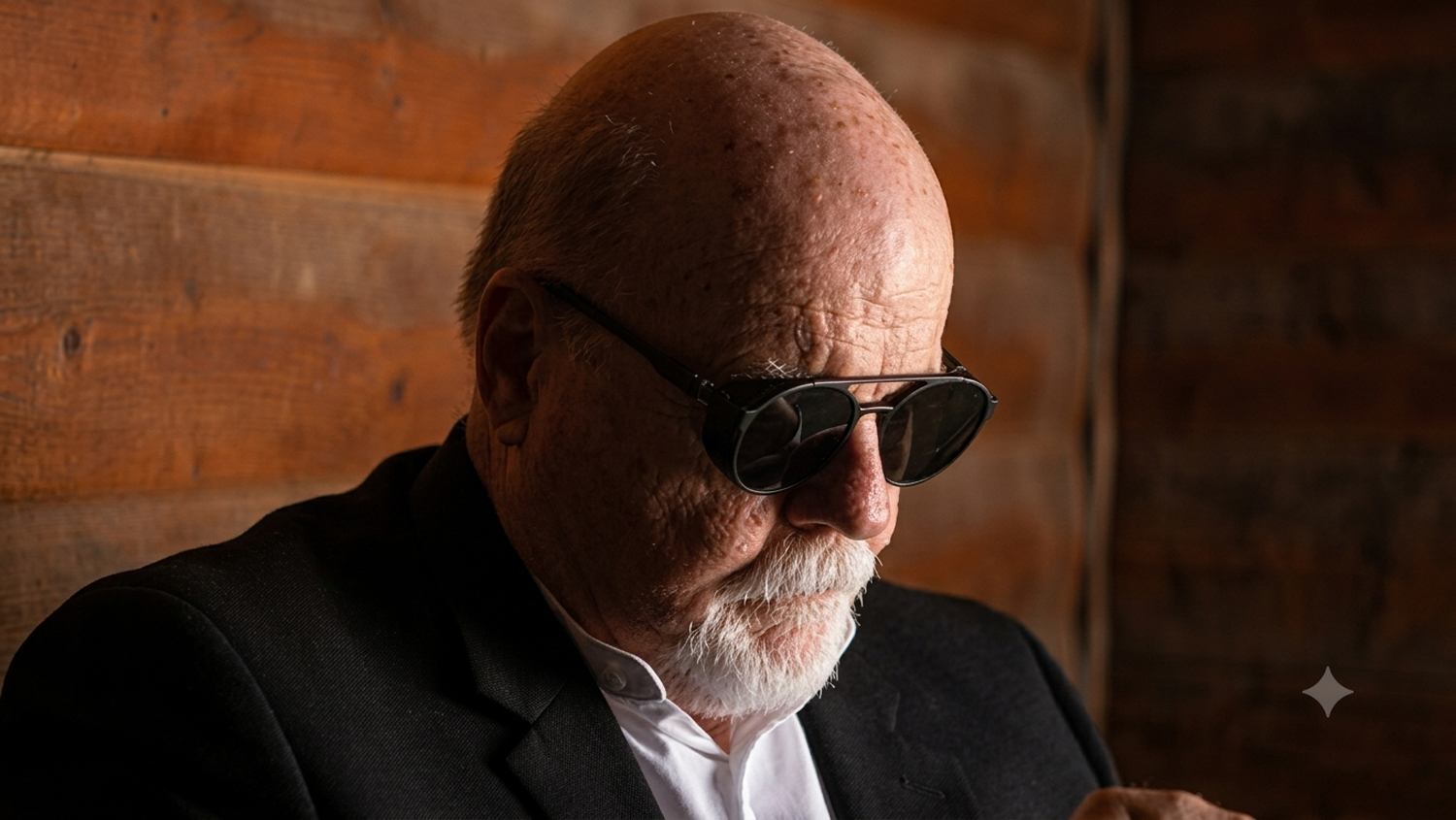
Michael Ironside as Dr. Jonarhan Myers in a scene from "Marrow." (Photo courtesy of Scatena & Rosner Films)
Podcaster Distal Marrow (Jessica Dawn Willis, solid) explores true crime and unsolved cases in “Embracing the Marrow.” But away from the microphone, Distal is Jamie Foster, a recluse dealing with falling ratings and skeletons in her past. Camilla Moore (scream queen Danielle Harris), a close friend of her late mother who's helped finance Jamie's career, warns that she better lure those listeners back, or else her show is done.
Cue the creepy caller who alerts her about a trail of true crime female podcasters who have gone missing in Texas, by a culprit who, the caller suggests, might not be human. Can Jamie solve this mystery, even as increasingly spooky things keep manifesting themselves? Or will she become the next victim?
Sturdy B-movie premise in place, “Marrow” ought to flow like gangbusters, like a new millennium variation on a thriller by Joseph Ruben (“The Stepfather,” “The Good Son”). But just when you hope “Marrow” will cut to the chase, director Mitch McLeod saddles the film with way too much dialogue. This story needed a lean, mean approach, not be drowned by the very element that ought to be propelling the story forward.
The brief but welcome appearance by Michael Ironside, channeling Paul Schrader as a doctor who has crossed paths with this entity, brightens things up, but McLeod is unable to infuse the material with the momentum it needs.
What does work in “Marrow” is Jamie's increasingly frayed relationship with Camilla. As more secrets are revealed, the film starts feeling less like conventional horror and more like a women's melodrama. McLeod ought to have allowed the soap opera elements to take over, because that's when “Marrow” is at its juiciest.
The film is enjoyably junky in stretches, but it's ultimately unable to get out of its own way. However, there's enough here to elicit interest as to what McLeod and Willis will do next. Now that they've scratched that schlock itch.
“The End of Oak Street” is now showing in wide release, including at Silverspot Metsquare Cinema in downtown Miami, AMC Aventura and Regal Dania Pointe. No U.S. distribution has been announced for “Hen,” which continues showing in festivals across the globe. “Gator Face” is scheduled to open theatrically in limited release on Sept. 11 before arriving on digital and Video on Demand platforms on Sept. 15. You're going to have to wait a bit longer for “Marrow,” which is set to become available for digital rental later this fall.